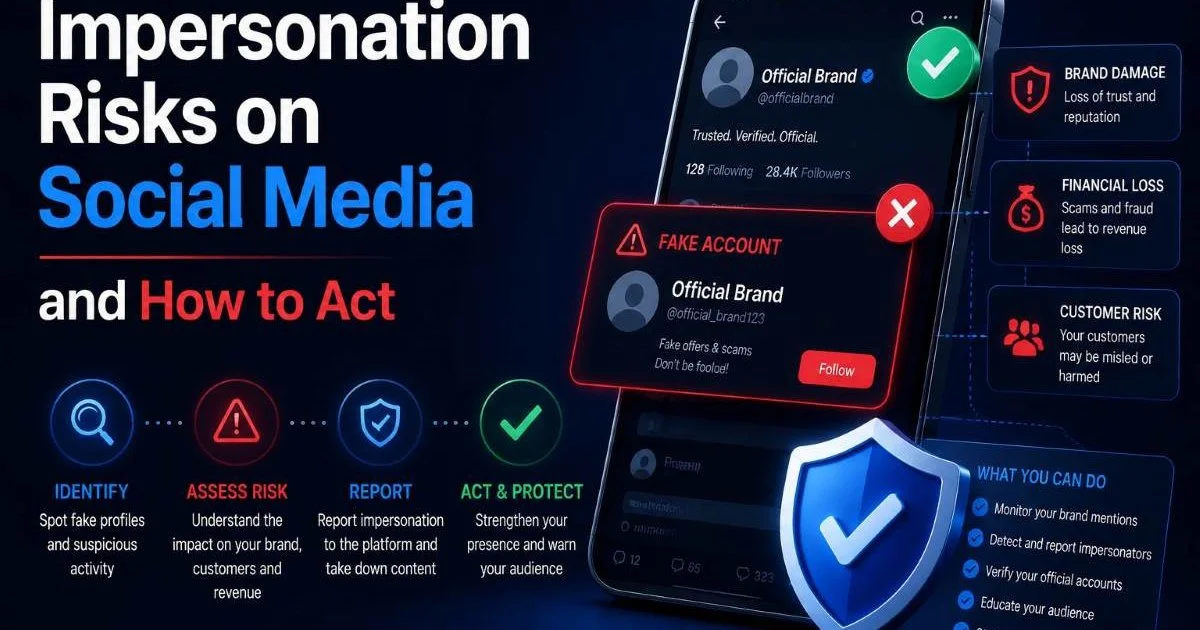
Impersonation risks on social media represent one of the most persistent and damaging threats facing brands today. A single fake account mimicking your logo, tone, or customer service channels can erode years of trust in a matter of hours. According to the Federal Trade Commission, consumers reported losing over $770 million to social media scams in 2021 alone, and a significant portion of those scams involved brand impersonation. Whether you run a startup or manage a global enterprise, understanding how to detect and respond to these threats is non-negotiable.
Effective brand protection starts with recognizing that impersonation isn't just an IT problem; it's a business problem that touches marketing, legal, and customer relations. This guide walks you through a concrete, step-by-step process for identifying fake profiles, taking them down, and building resilience against future attacks. The stakes are real, and the time to act is now.
Key Takeaways
- Brand impersonation on social media causes measurable revenue and reputation damage every year.
- Proactive monitoring catches fake accounts before customers interact with them.
- Platform-specific reporting tools are your fastest route to removing impersonators.
- Training your team to spot impersonation patterns reduces response time significantly.
- Legal action remains an option when platform reporting fails to resolve persistent threats.
Failed to execute 'json' on 'Response': Unterminated string in JSON at position 196339 (line 1 column 196340)
Step 1: Identify Impersonation Threats Across Platforms
Common Impersonation Tactics
Impersonators don't always create carbon copies of your brand's official page. Some use subtle misspellings of your handle, like swapping a lowercase "L" for a capital "I" or adding an underscore. Others steal your profile photo and bio text but operate under a slightly different name. These accounts often target your customers directly through DMs, offering fake promotions or phishing links disguised as support channels.
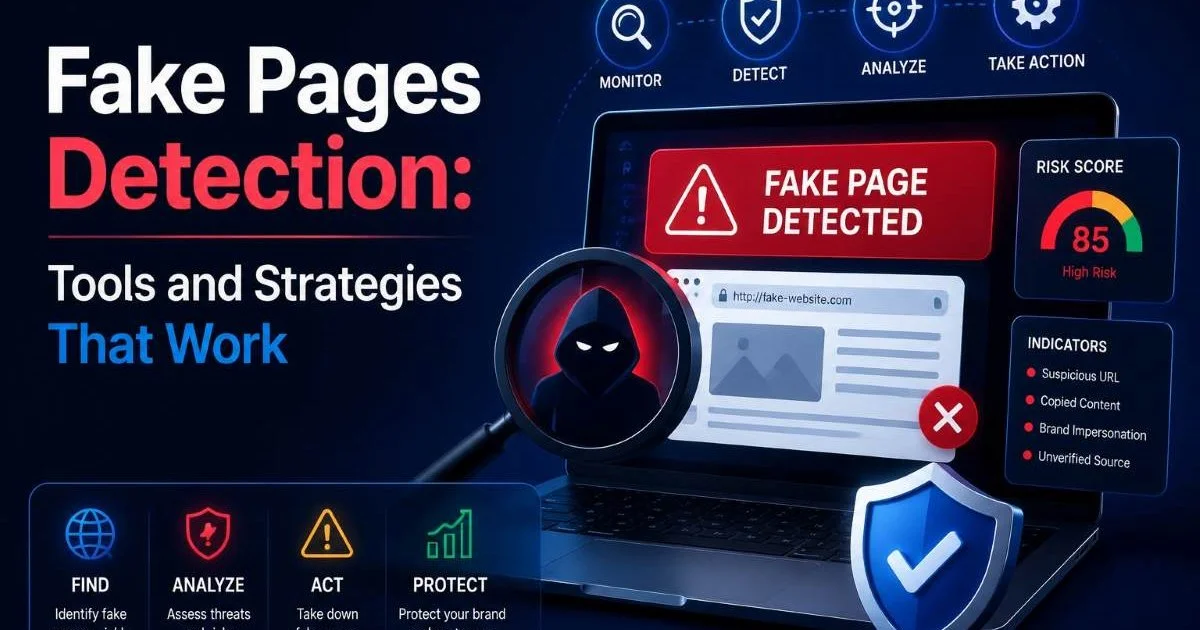
Another common tactic involves creating fake pages that mimic your brand's visual identity on platforms where you don't have an active presence. If your company primarily uses Instagram and LinkedIn, an impersonator might set up a convincing TikTok or Facebook page. Customers who search for your brand on those platforms find the fake page first and assume it's legitimate. Understanding these patterns is the first step toward effective fake pages detection.
Monitoring Tools and Methods
Manual searches are a starting point, but they're not scalable. Set up Google Alerts for your brand name, common misspellings, and key product names. Then layer in social listening tools that scan across Facebook, Instagram, X (formerly Twitter), TikTok, and LinkedIn simultaneously. Many brand monitoring platforms can flag new accounts using your logos or trademarked terms within hours of creation.
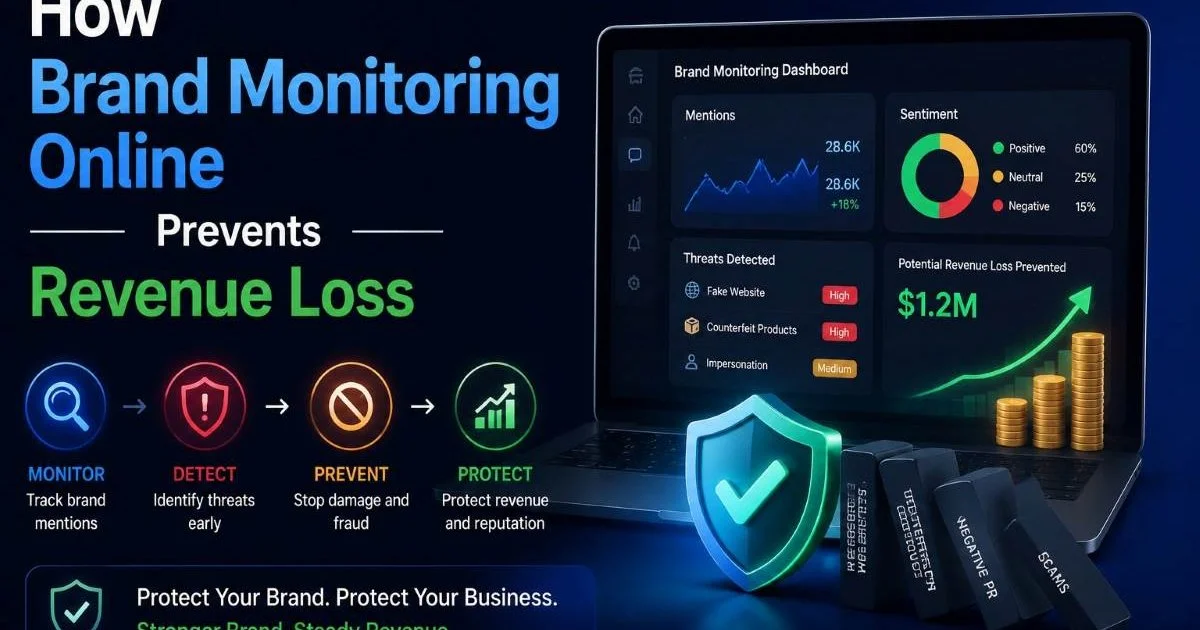
Your customer-facing teams are also a valuable detection resource. Support agents, community managers, and sales reps often hear from confused customers who received messages from accounts they assumed were official. Create a simple internal reporting channel, like a shared Slack channel or email alias, where employees can flag suspicious activity the moment they spot it. This human intelligence layer complements automated monitoring and catches threats that algorithms miss. Consistent online brand monitoring also prevents revenue loss by catching threats early.
Search your brand name with common typos on each platform monthly to catch impersonators that automated tools might miss.
Step 2: Assess the Damage and Risk Level
Not every fake account demands the same urgency. A dormant profile with zero followers and no posts is a lower priority than one actively messaging your customers or running paid ads. Before you act, take five minutes to assess the scope. How many followers does the account have? Is it actively posting? Has it interacted with real customers? Are there financial transactions or data collection happening through the impersonation?
Document everything before you report. Take screenshots of the profile, its posts, any DMs your customers have forwarded, and the account's follower count. Include timestamps and URLs. This evidence package serves two purposes: it strengthens your case when reporting to the platform, and it creates a legal record if you need to escalate. A well-documented incident can cut resolution time in half.
"A single impersonation incident costs companies an average of $4 million in brand value and customer trust recovery."
Risk Scoring Framework
Use a simple scoring matrix to prioritize which fake accounts to address first. Assign points based on follower count, posting activity, customer engagement, and whether the account is collecting personal information or payments. High-scoring accounts get immediate action; lower-scoring ones go into a monitoring queue. This prevents your team from spending equal time on every fake profile when some pose minimal threat.
| Risk Factor | Low (1 point) | Medium (3 points) | High (5 points) |
|---|---|---|---|
| Follower Count | Under 50 | 50 to 500 | Over 500 |
| Posting Activity | No posts | Occasional posts | Daily or paid ads |
| Customer Interaction | None observed | Responding to comments | Sending DMs to customers |
| Data/Payment Collection | None | Link to external site | Active phishing or payments |
| Visual Similarity | Name only | Name and logo | Full brand identity copied |
Scores of 15 or above should trigger same-day action, including platform reports and customer alerts.
Step 3: Report and Remove Fake Accounts
Platform Reporting Processes
Every major social media tags has a specific process for reporting impersonation, and knowing the right path speeds up resolution dramatically. On Instagram and Facebook, use Meta's trademark report form rather than the generic "report account" button. On X, file a trademark policy violation report through their Help Center. LinkedIn allows trademark owners to submit reports through their brand protection portal. Each platform prioritizes reports from verified brand owners or trademark holders over general user complaints.
When submitting reports, include your trademark registration number, links to your official accounts, and the evidence package you created in Step 2. Platforms like Meta typically respond within 24 to 48 hours for clear impersonation cases. TikTok's process can take longer, sometimes up to a week. Follow up if you don't receive a response within the expected timeframe, and always keep a record of your report submission IDs. Following social media best practices across your official channels also makes it easier for platforms to distinguish your real accounts from fakes.
Register your trademarks with each platform's Brand Rights Protection program before an incident occurs to speed up future takedowns.
Escalation and Legal Options
Sometimes platform reporting isn't enough. Persistent impersonators create new accounts within hours of a takedown, or they operate from jurisdictions that platforms are slow to police. In these cases, consider sending a formal cease-and-desist letter. Many impersonators abandon their efforts when confronted with legal language from a law firm. If the impersonation involves financial fraud or identity theft, file reports with the FBI's Internet Crime Complaint Center (IC3) and the FTC.
For brands facing repeated impersonation, working with a specialized digital brand protection service can be cost-effective. These services automate takedown requests, monitor for new fake accounts continuously, and maintain relationships with platform trust and safety teams. The investment often pays for itself by reducing the internal hours your team spends on manual detection and reporting. Managing your online reputation proactively means fewer crises to manage reactively.
Never engage directly with an impersonator through public comments. It can legitimize their account and confuse your audience.
Step 4: Build Long-Term Impersonation Defenses
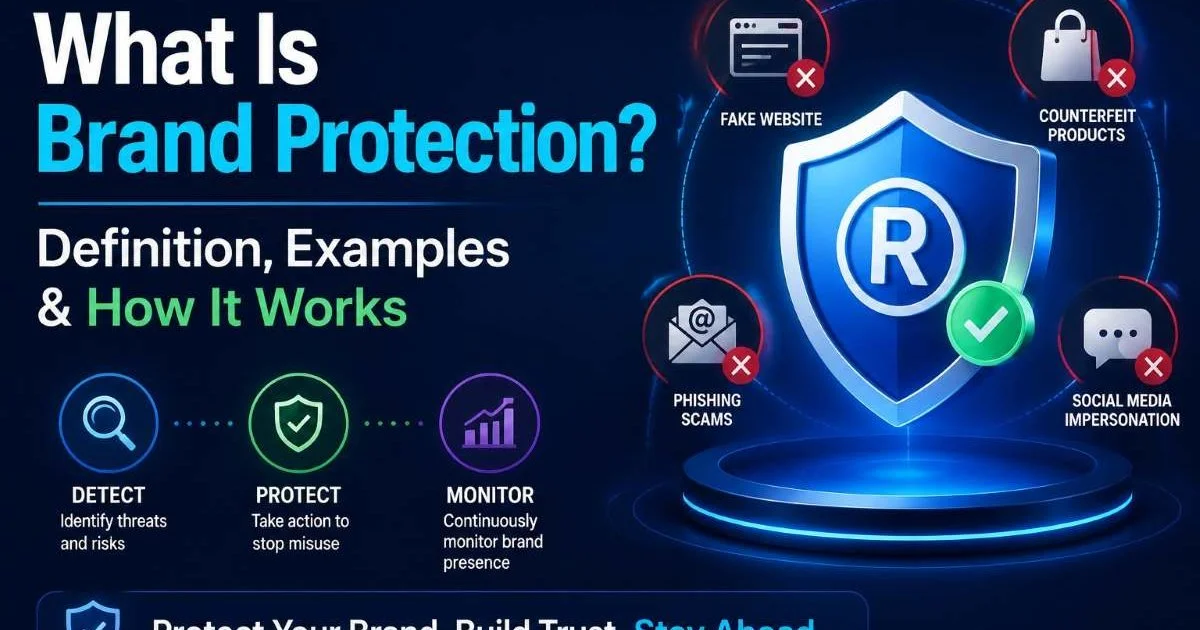
Reactive takedowns are necessary, but they're not a strategy. Building lasting defenses against social media impersonation requires changes to how your brand operates online. Start by securing your brand name as a handle on every major platform, even ones you don't actively use. Register variations and common misspellings. This "defensive registration" approach removes easy opportunities for impersonators and costs nothing beyond the time to create the accounts.
Publish a public-facing page on your website listing every official social media account. Link to it from your email signatures, packaging, and customer communications. When a customer encounters a suspicious account, they can verify it against your official list in seconds. This simple step dramatically reduces the effectiveness of impersonation because informed customers won't engage with fake profiles. It also gives your support team a quick reference to share when customers ask whether an account is real.
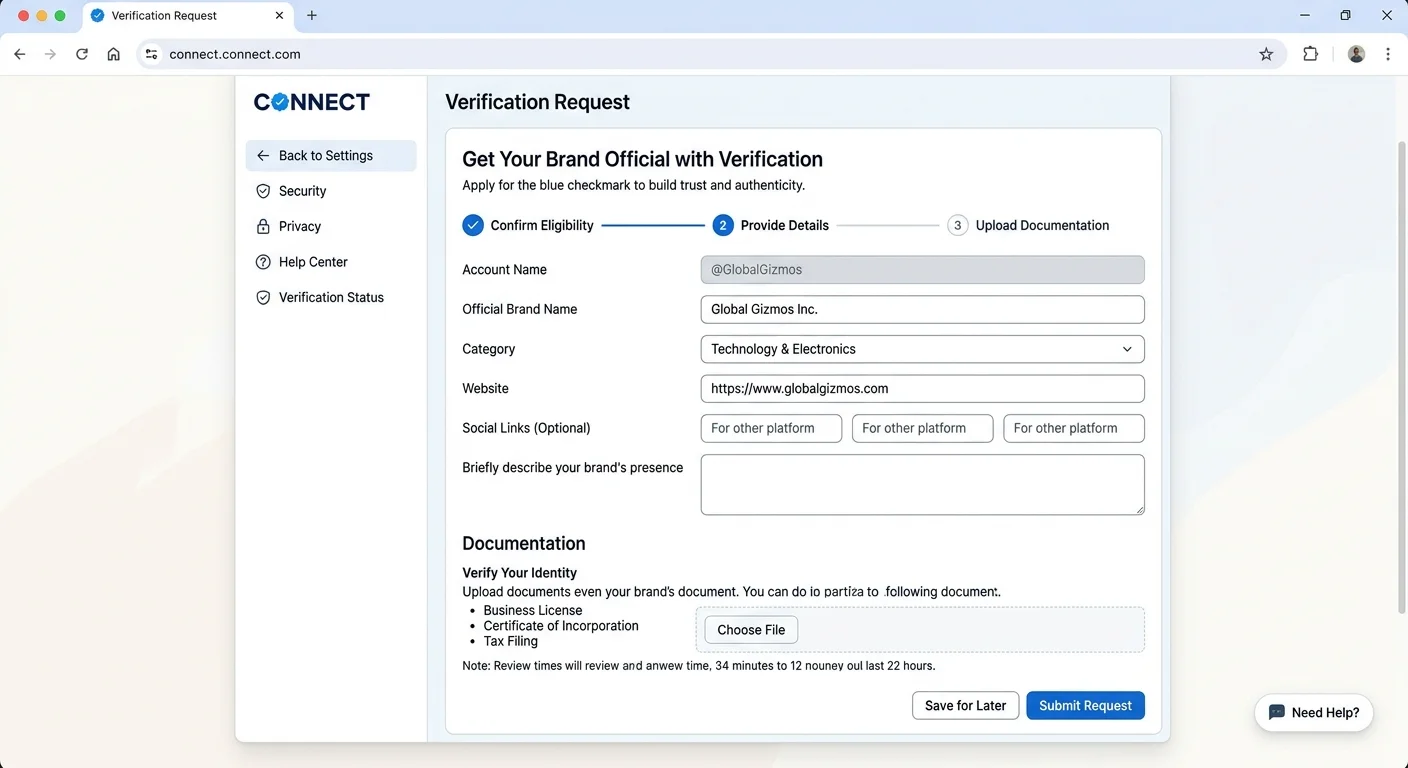
Verification and Team Training
Apply for verification badges on every platform that offers them. Meta Verified, X's verification program, and LinkedIn's company verification all add a visual trust signal that impersonators can't replicate. While verification isn't foolproof (customers don't always check for the badge), it raises the bar for impersonators and gives your reports more weight with platform moderators. Prioritize verification on platforms where you have the most customer interactions.
Train your marketing, support, and sales teams on impersonation detection at least quarterly. Show them real examples of fake accounts that targeted your brand or competitors. Create a response playbook that outlines who to notify, what to document, and how to communicate with affected customers. A team that can identify and escalate an impersonation threat in under 30 minutes is your strongest defense against lasting damage. Make this training part of onboarding for new hires, not just an annual checkbox exercise.
Frequently Asked Questions
?How do I set up Google Alerts to catch brand impersonators?
?Is platform reporting enough, or do I always need legal action?
?How quickly can a fake account damage my brand before I catch it?
?Do impersonators only target platforms where my brand is already active?
Final Thoughts
Social media impersonation isn't going away. As platforms grow and consumer trust in digital interactions deepens, the incentive for bad actors only increases. But brands that invest in systematic detection, fast reporting workflows, and team education can neutralize most threats before they cause real harm.
The four steps outlined here give you a practical framework for both immediate action and long-term resilience. Protect your brand's identity with the same rigor you'd protect any other business asset, because online, your reputation is your most valuable one.
Disclaimer: Portions of this content may have been generated using AI tools to enhance clarity and brevity. While reviewed by a human, independent verification is encouraged.