Knowing how to report brand abuse across digital platforms is one of the most important skills a brand manager can develop today. Every day, fraudsters create fake social media profiles, counterfeit product listings, and phishing websites that exploit your brand's reputation. These attacks don't just confuse your customers; they erode trust, siphon revenue, and create legal headaches that can persist for months.
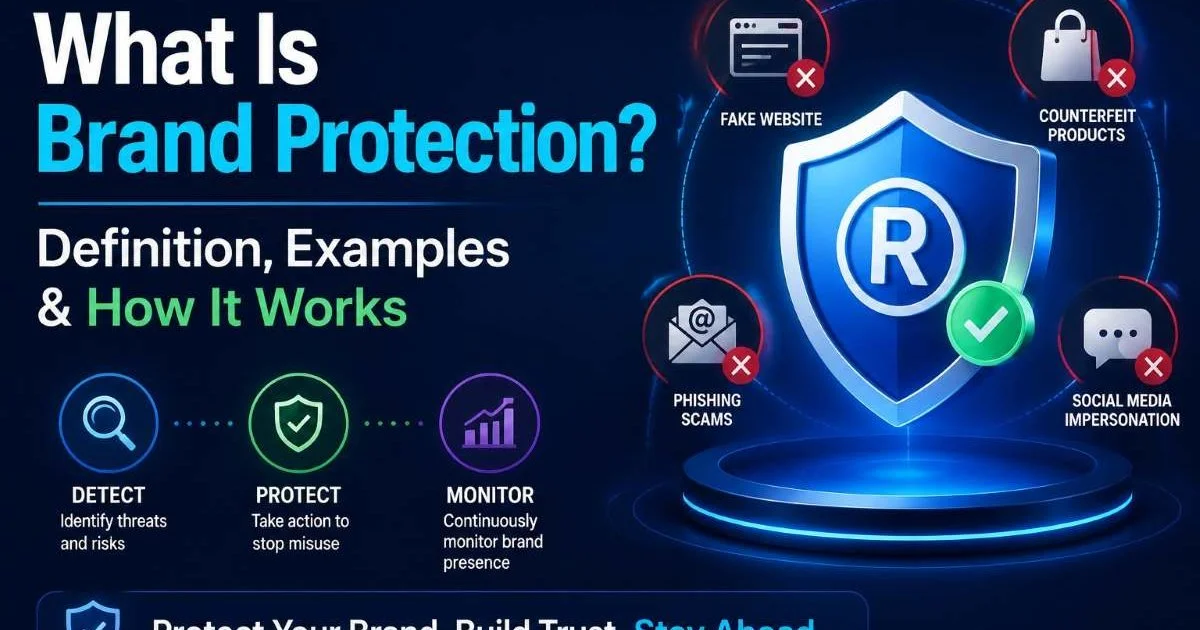
The sheer number of platforms where abuse can occur, from Facebook and Instagram to Amazon and obscure domain registrars, makes the reporting process feel overwhelming. But with a structured approach and the right knowledge, you can fight back effectively. Understanding what brand protection is and how it works gives you the foundation needed to take action. This guide walks you through the exact steps to identify, document, and report brand abuse across the platforms that matter most to your business.
Key Takeaways
- Document every instance of brand abuse with screenshots, URLs, and timestamps before reporting.
- Each platform has a unique reporting process, so learn the specific channels that apply.
- Trademark registration strengthens your legal standing and speeds up takedown requests significantly.
- Automated monitoring tools help you detect abuse faster than manual searches ever could.
- Follow up persistently on reports because platforms often require multiple submissions before acting.
Step 1: Identify and Document Brand Abuse
What Counts as Brand Abuse
Brand abuse takes many forms, and recognizing them quickly is your first line of defense. Common types include fake social media accounts impersonating your brand, counterfeit product listings on marketplaces, phishing websites using your logo and brand name, and unauthorized use of your trademarks in advertising. Understanding the full scope of impersonation risks on social media and how to act will sharpen your ability to spot these threats before they cause serious damage.
Not all brand abuse is immediately obvious. Sophisticated bad actors create near-perfect copies of your website or social profiles, changing only a single letter in the URL or handle. They may use your product images with altered descriptions, or create fake customer service pages designed to harvest personal data from your customers. Training your team to recognize these subtle variations is just as important as catching the blatant imitations.
Building Your Evidence File
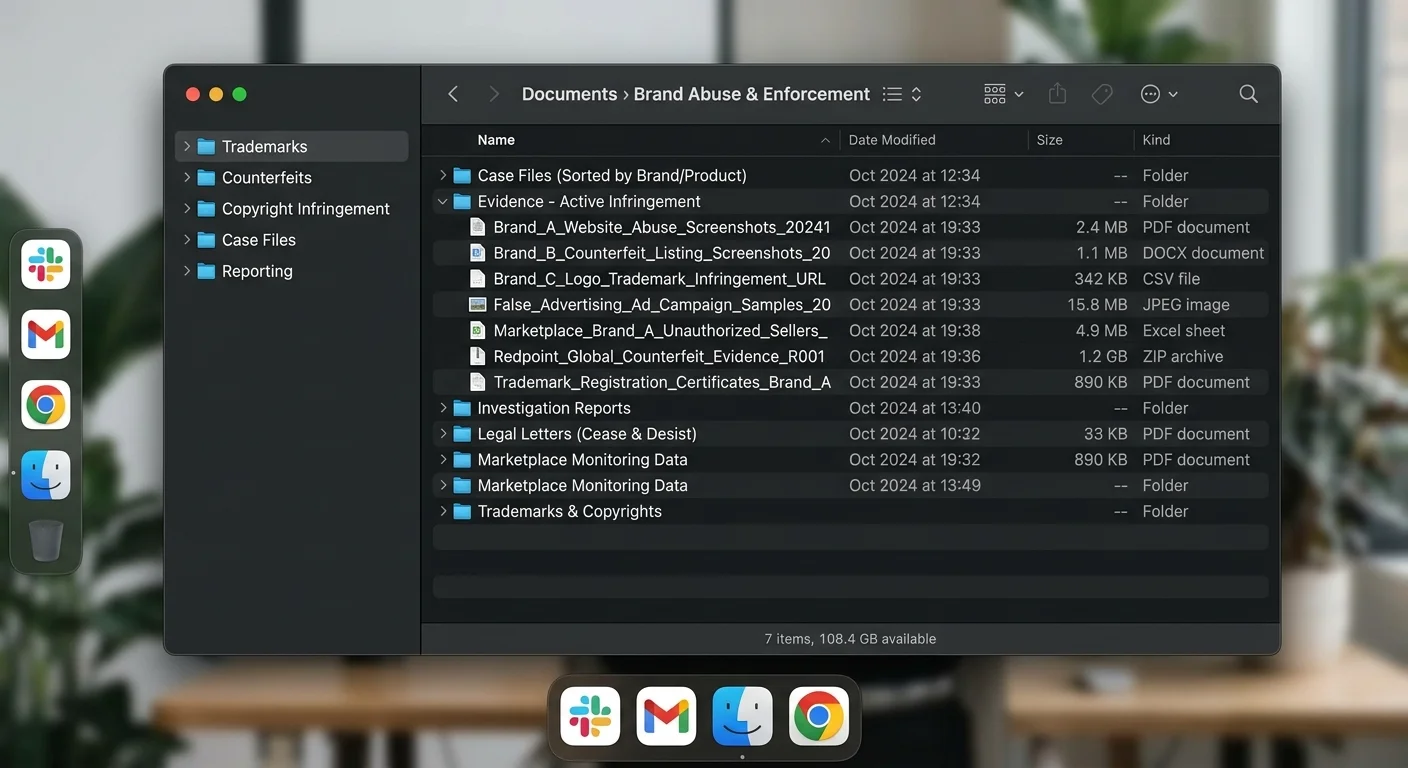
Before you report anything, you need airtight documentation. Take full-page screenshots of the offending content, capture the URL in the browser bar, and note the exact date and time of discovery. If the abuse involves a social media profile, record the follower count, creation date (if visible), and any posts that use your brand's intellectual property. This evidence file becomes the backbone of every report you submit.
Use the Wayback Machine at web.archive.org to capture a timestamped snapshot of abusive pages before they disappear.
Organize your evidence in a centralized folder or case management system. Label each file with the platform name, date, and type of abuse. When you submit reports to multiple platforms simultaneously, having organized documentation prevents confusion and speeds up the process. Many platforms ask for proof of trademark ownership, so keep a digital copy of your trademark registration certificate accessible at all times.
Step 2: Report Brand Abuse Across Digital Platforms
Social Media Platforms
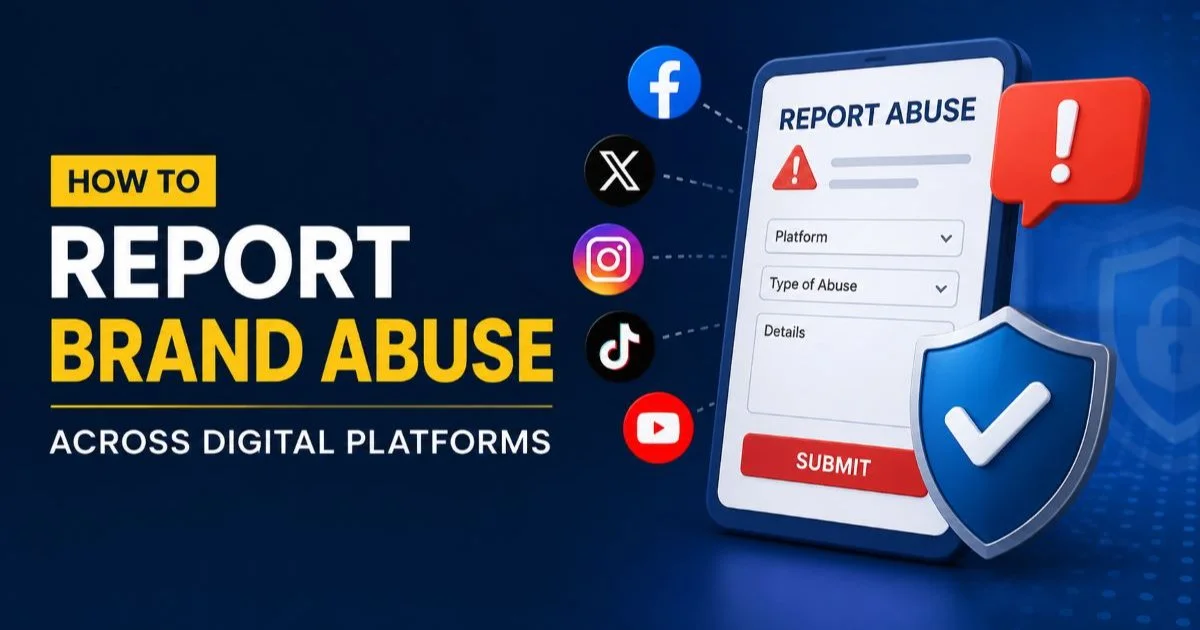
Learning how to report brand abuse across digital platforms starts with understanding that each network has distinct reporting mechanisms. Facebook and Instagram use Meta's Brand Rights Protection portal, which lets trademark holders submit infringement reports directly. X (formerly Twitter) has a dedicated trademark report form where you describe the violation and upload supporting evidence. LinkedIn offers an intellectual property reporting page that handles both trademark and copyright claims.
TikTok has become a growing source of brand impersonation, and its IP Infringement Report Form requires you to specify the type of intellectual property involved. For YouTube, Google's Legal Help portal handles trademark complaints related to both channel names and video content. Response times vary wildly across platforms. Meta typically responds within 48 to 72 hours, while smaller platforms can take one to two weeks. Persistence matters; if you don't hear back, resubmit.
Also Check: Speed Up Your Site With Core Web Vitals Fixes
Ecommerce and Marketplace Platforms
Amazon's Brand Registry is one of the most powerful tools for combating counterfeit listings. Once enrolled, you can use its Report a Violation tool to flag unauthorized sellers, counterfeit products, and listings that misuse your trademarks. eBay's VeRO (Verified Rights Owner) program works similarly; you register as a rights owner and then submit takedown notices for infringing listings. Both programs prioritize registered trademark holders.
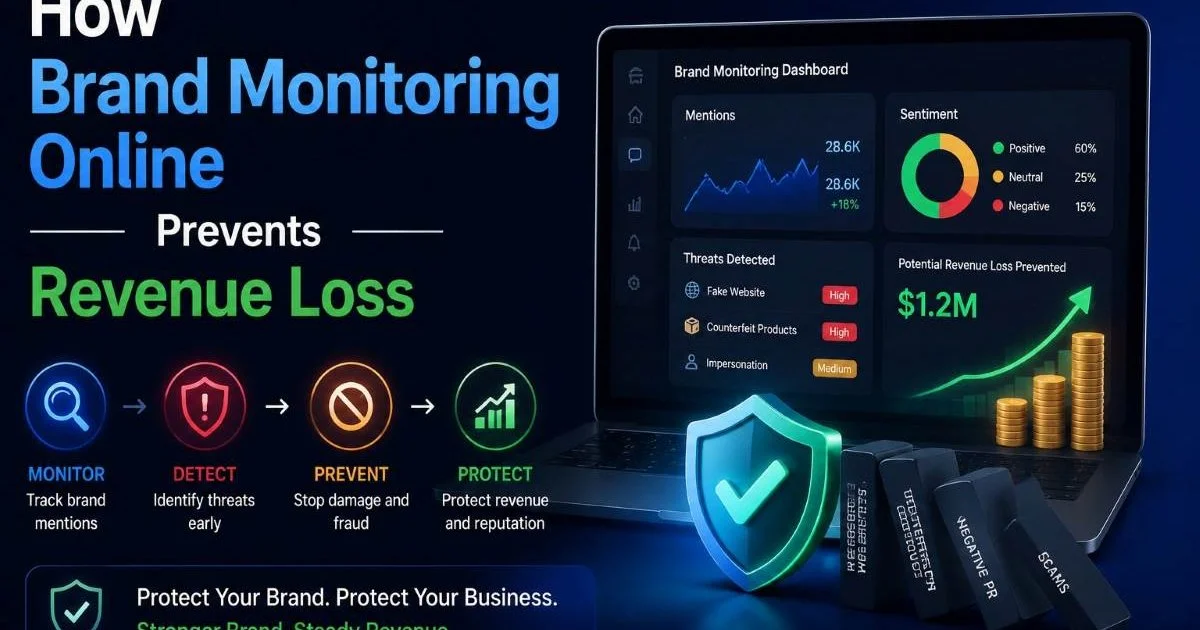
Shopify stores that sell counterfeit goods can be reported through Shopify's legal team using their DMCA and trademark complaint process. If fraudsters are collecting customer data through fake storefronts, the urgency increases because your customers' financial information may be at risk. As brand monitoring online prevents revenue loss, catching marketplace abuse early protects both your bottom line and your customer relationships.
Never engage directly with impersonators or counterfeiters through public comments. It can escalate the situation and tip them off to remove evidence before you file reports.
Step 3: Escalate with Legal and Domain-Level Actions
Domain Abuse and Registrar Complaints
When brand abuse moves beyond social media and marketplaces into fraudulent websites, you need to target the domain itself. Start by running a WHOIS lookup to identify the domain registrar. Most registrars, including GoDaddy, Namecheap, and Cloudflare, have abuse reporting forms where you can submit trademark infringement complaints. Include your trademark registration number, the infringing URL, and a clear explanation of how the domain violates your rights.
ICANN's Uniform Domain-Name Dispute-Resolution Policy (UDRP) provides a formal process for reclaiming domains that infringe on your trademark. Filing a UDRP complaint costs between $1,500 and $5,000 depending on the provider, but it has a high success rate for legitimate trademark holders. The process typically resolves within 60 days. For domains registered in bad faith that mimic your brand name (typosquatting), UDRP is often the most efficient route.
Legal Escalation Options
If platform-level reporting fails, a cease-and-desist letter from your legal team or outside counsel often accelerates the process. Many smaller infringers abandon their schemes when they receive formal legal notice. For persistent or high-value infringements, consider filing a DMCA takedown notice with the hosting provider. This legal mechanism requires the host to remove infringing content or face potential liability under U.S. copyright law.
In cases involving international bad actors, working with local counsel in the infringer's jurisdiction may be necessary. Organizations like the International Trademark Association (INTA) maintain directories of IP attorneys worldwide. When evaluating whether to pursue legal action, weigh the financial impact of the abuse against litigation costs. For many brands, the combination of platform reporting and UDRP filings handles the vast majority of cases without full litigation. Gathering insights through digital survey platforms can also help you understand how widespread customer confusion has become due to brand impersonation.
"The brands that win against abuse aren't the biggest; they're the ones with the best documentation and the fastest response times."
Step 4: Build a Proactive Monitoring System
Automated Detection Tools
Reporting brand abuse reactively will always leave gaps. A proactive approach uses automated monitoring tools that scan social media, domain registrations, app stores, and marketplaces continuously. Platforms like Brand Monitoring AI agents can alert you to new mentions, suspicious domains, and potential impersonation attempts in real time. This kind of early detection is what separates brands that contain abuse quickly from those that discover it months later through customer complaints.
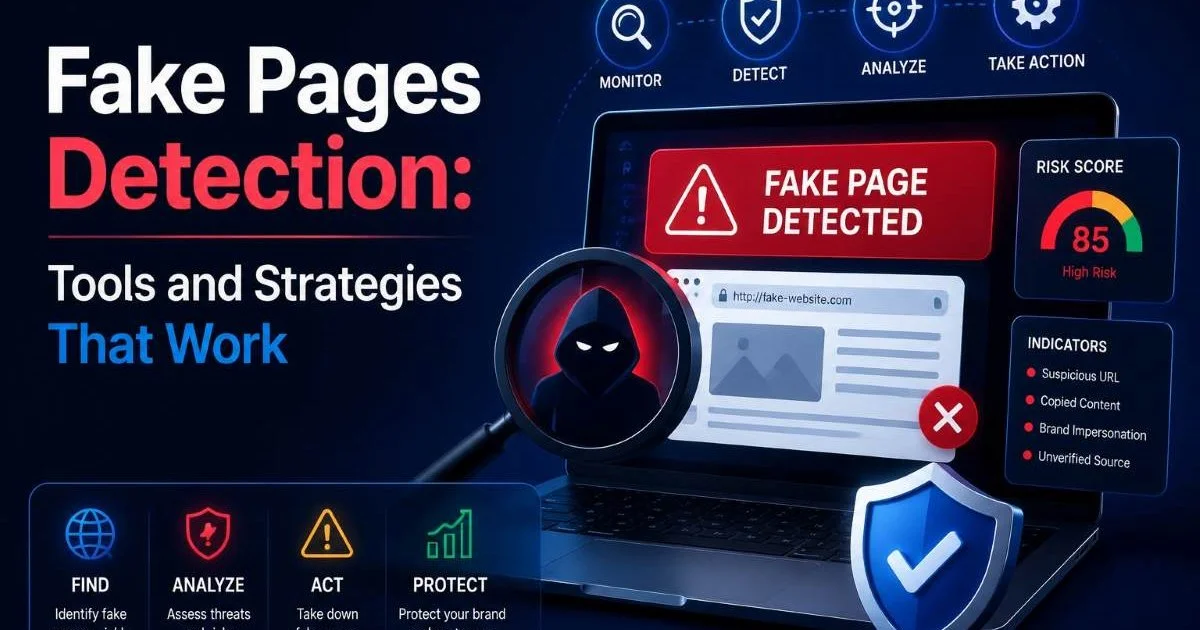
Knowing how to report brand abuse across digital platforms is only half the battle if you can't detect the abuse in the first place. Investing in fake pages detection tools and strategies that work gives you the visibility needed to catch threats early. Set up Google Alerts for your brand name and common misspellings. Monitor domain registrations that include your brand terms using services like DomainTools or WhoisXML API. The more inputs you feed into your detection system, the fewer threats slip through.
Free tools like Google Alerts catch only a fraction of brand abuse. For comprehensive coverage, consider dedicated brand monitoring services that scan across multiple platform types simultaneously.
Internal Processes and Team Alignment
Build a brand abuse response playbook that outlines who handles reports, which platforms require which forms, and what documentation standards your team follows. Assign clear ownership; whether it sits with your legal team, marketing department, or a dedicated brand protection specialist, someone needs to own the process end to end. Without clear accountability, reports get delayed or forgotten entirely.
Schedule monthly reviews of your monitoring data and reporting outcomes. Track metrics like time to detection, time to takedown, and repeat offender patterns. These metrics help you identify which platforms respond fastest, which types of abuse are increasing, and where your detection has blind spots. How to report brand abuse across digital platforms isn't a one-time task; it's an ongoing operational discipline that improves with each cycle. Share findings across your organization so customer service, marketing, and legal teams all stay aligned on current threats.
Create template responses for each platform's reporting form to reduce the time needed for each submission from 30 minutes to under 10.

Frequently Asked Questions
?How do I use the Wayback Machine to document brand abuse?
?Does trademark registration really speed up platform takedowns?
?How long does it typically take platforms to act on a brand abuse report?
?Is manually searching for fake profiles enough to catch brand abuse?
Final Thoughts
Knowing how to report brand abuse across digital platforms gives you a structured framework for protecting your brand's reputation and your customers' trust. The process demands preparation, documentation, platform-specific knowledge, and persistent follow-through.
No single report will solve the problem permanently, but consistent action creates a compounding defense that makes your brand a harder target over time. Start with solid monitoring, respond quickly with organized evidence, and escalate when platforms don't act. Your brand's integrity depends on it.
Disclaimer: Portions of this content may have been generated using AI tools to enhance clarity and brevity. While reviewed by a human, independent verification is encouraged.